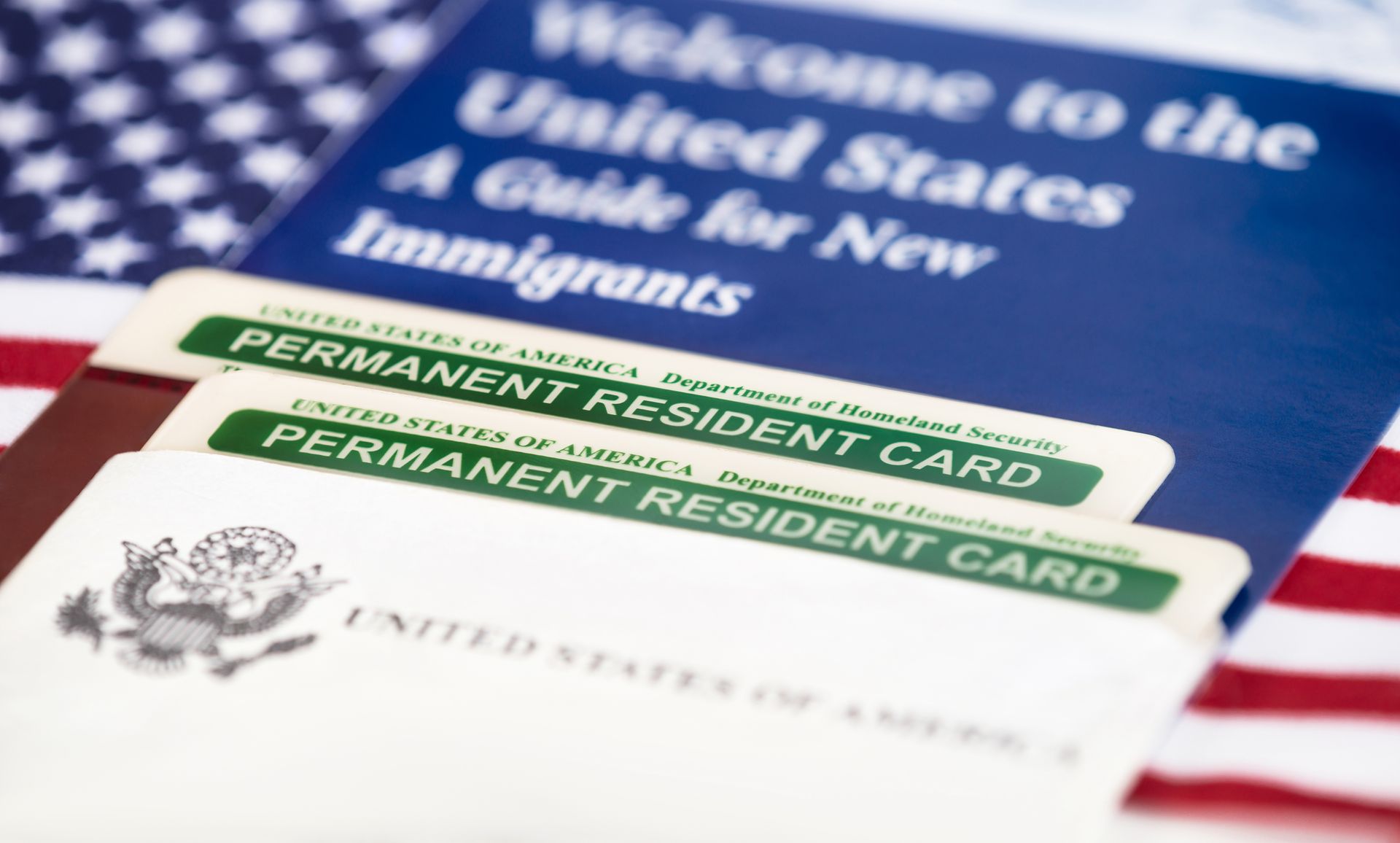

Can a Criminal Charge Affect Your Immigration Status?
Can a Criminal Charge Affect Your Immigration Status?
For anyone who is not a U.S. citizen, a criminal charge can carry consequences far beyond fines or jail time. Even a seemingly minor arrest can affect your ability to keep a green card, renew a visa, become a citizen, or remain in the United States at all.
Immigration law and criminal law are separate systems, but they overlap in ways that can catch people off guard. Here’s what noncitizens and their families should understand, and why it’s so important to get the right legal advice before making any decision in a criminal case.
Who Is at Risk?
Criminal charges can affect almost any noncitizen, including:
- Lawful permanent residents (green card holders)
- Visa holders, including students and temporary workers
- People with pending green card, asylum, or other applications
- DACA recipients and Temporary Protected Status (TPS) holders
- Undocumented individuals
Even green card holders who have lived in the U.S. for many years can face removal proceedings because of certain criminal convictions.
Types of Offenses That Can Trigger Immigration Consequences
Federal immigration law lists categories of crimes that can make a noncitizen deportable or inadmissible. Some of the most common include:
- Aggravated felonies. Despite the name, this category is broad and can include offenses that aren’t felonies under state law, such as certain theft, fraud, or drug offenses.
- Crimes involving moral turpitude. These generally involve dishonesty, fraud, or intent to cause harm. Depending on timing and sentencing, even one conviction can create problems.
- Controlled substance offenses. Most drug convictions carry serious immigration risks. Federal law has a narrow exception for a single offense involving possession of 30 grams or less of marijuana for personal use.
- Domestic violence, stalking, and violating protective orders. These offenses carry their own deportation grounds.
- Firearm offenses. Many weapons convictions can lead to removal.
Whether a specific charge falls into one of these categories depends on the exact statute, the facts, and the record of conviction. Two charges that sound similar can have very different immigration outcomes.
An Arrest Alone Can Lead to Detention
Under the Laken Riley Act, signed in January 2025, certain noncitizens who are charged with, arrested for, or admit to theft, burglary, shoplifting, assaulting a law enforcement officer, or crimes causing death or serious injury may be subject to mandatory immigration detention. That can happen even before a conviction. The law generally applies to people who are undocumented or entered without proper documents, but it shows how quickly a criminal case can turn into an immigration emergency.
If a loved one has been detained after an arrest, learn more about our immigration law services.
Why a Plea Deal Isn’t Always “the Easy Way Out”
In criminal court, a plea deal may seem like the fastest way to resolve a case. But immigration law defines “conviction” broadly. In some cases, a guilty or no-contest plea can count as a conviction for immigration purposes even if the court withholds adjudication or the person doesn’t serve jail time. For example, a Florida withhold of adjudication may still count as a conviction if certain conditions are met.
The U.S. Supreme Court has recognized that criminal defense attorneys must advise noncitizen clients about deportation risks before a plea. But the safest approach is to work with attorneys who understand both systems from the start.
How Criminal Charges Can Affect Future Applications
Even if a charge doesn’t lead to deportation, it may still create problems later, including:
- Green card applications. Certain offenses can make you inadmissible.
- Naturalization. Applicants must show good moral character, and an arrest record can be reviewed closely. Learn more about becoming a U.S. citizen through naturalization.
- Travel. Leaving and reentering the U.S. with a criminal record can trigger questioning or problems at the border.
- Visa renewals. Consular officers may deny or revoke visas based on criminal history.
Always disclose arrests and charges honestly on immigration forms. Failing to do so can create separate problems, even if the original charge was dismissed.
What to Do If You’re Charged With a Crime
If you are not a U.S. citizen and you’ve been arrested or charged:
- Don’t discuss your immigration status with police without an attorney.
- Don’t accept a plea until you understand the immigration consequences.
- Gather your documents, including your green card, visa, or pending application notices.
- Tell your criminal defense attorney that you are not a U.S. citizen.
- Talk to a lawyer who handles both criminal defense and immigration as early as possible.
Frequently Asked Questions
Can a misdemeanor get me deported?
Yes, in some cases. Certain misdemeanors, such as some domestic violence, drug, or theft offenses, can carry serious immigration consequences.
If my charge was dismissed, do I still need to report it?
In most cases, yes. Immigration forms often ask about arrests and charges, not just convictions. An attorney can help you answer accurately.
Can a past conviction be fixed?
Sometimes. Depending on the case, options may include post-conviction relief or other legal strategies. Sealing or expunging a record may not remove its immigration effects, so it’s important to get advice first.
Get Help From Attorneys Who Understand Both Systems
At Endure Law Firm, PLLC, Troy H. Gayle and Shiphrah J. Gayle handle both criminal defense and immigration law. We help noncitizens and their families understand how a criminal case may affect their future and work to protect their right to stay in the United States. Our firm assists immigration clients nationwide and represents criminal defense clients in Florida.
Contact us today or call 863-300-0862 to schedule a consultation.
Disclaimer: This article is for general informational purposes only and is not legal advice. Reading this content does not create an attorney-client relationship. Immigration and criminal laws are complex and change often. Please consult an attorney about your specific situation.