
How to Seal or Expunge a Criminal Record in Florida for a Fresh Start
How to Seal or Expunge a Criminal Record in Florida for a Fresh Start
A past arrest or criminal charge can follow you long after your case is over. It can show up on background checks for jobs, apartments, and loans, even if the charges were dropped. As a new year approaches, many Floridians are looking for a fresh start.
Florida law allows some people to seal or expunge certain criminal records. Here’s what each option means, who may qualify, and how the process works.
Sealing vs. Expunging: What’s the Difference?
Both options limit who can see your criminal record, but they work differently:
- Sealing keeps the record but makes it confidential. Most members of the public, including many private employers and landlords, can no longer access it.
- Expunging goes a step further. The record is physically destroyed or removed by most agencies, although the Florida Department of Law Enforcement (FDLE) keeps a confidential copy.
In most situations, once a record is sealed or expunged, you may lawfully deny or fail to acknowledge the arrest. There are important exceptions, which we cover below.
Who May Qualify?
Eligibility depends on how your case ended and your overall criminal history. In general:
You may be able to seal a record if:
- The court withheld adjudication (you were not formally convicted)
- You have never been adjudicated guilty of a criminal offense
- You have never had a record sealed or expunged before
You may be able to expunge a record if:
- The charges were dropped, dismissed, or never filed
- You were found not guilty
- Or the record has been sealed for at least 10 years and you meet other requirements
In most cases, Florida allows only one court-ordered sealing or expungement in a lifetime, so it’s important to choose the right case and get it right the first time.
Offenses That Can’t Be Sealed or Expunged
Certain offenses are not eligible if you were found guilty or pled guilty or no contest, even if adjudication was withheld. These include:
- Sexual battery and certain sex offenses
- Offenses involving children, such as luring or enticing a child
- Drug trafficking
- Domestic violence and other “dangerous crimes” listed in Florida law
- Homicide, robbery, arson, and home invasion
- Organized fraud and certain other serious offenses
If your record includes one of these charges, an attorney can review whether any other options may be available.
How the Process Works
Sealing or expunging a record in Florida is a two-step process: first with FDLE, then with the court.
Step 1: Apply for a Certificate of Eligibility from FDLE. You’ll generally need to submit:
- A completed, notarized application
- A certified disposition for each charge from the clerk of court
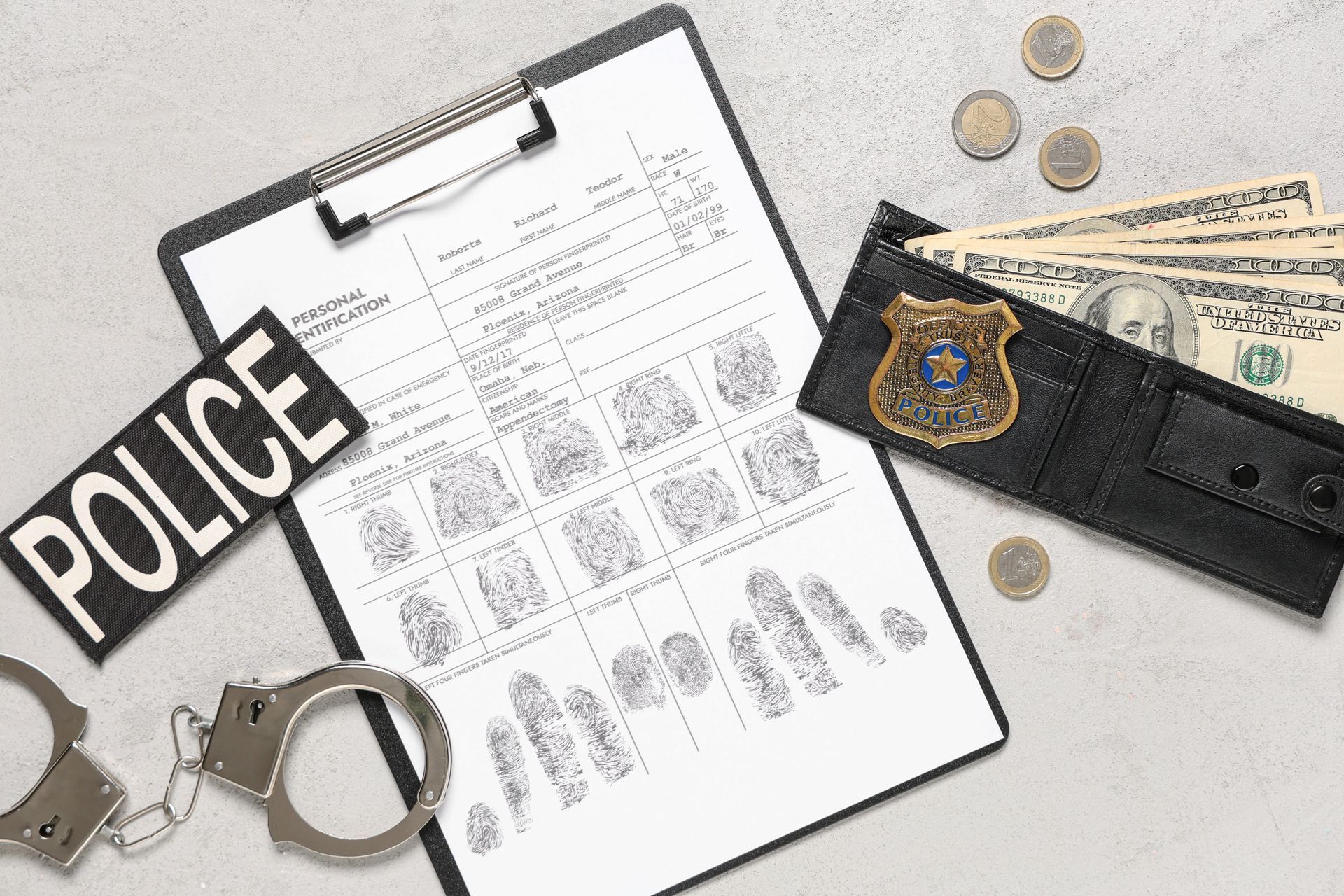
- A fingerprint card completed by a law enforcement agency
- A certified statement from the state attorney (for expungement)
- Proof that any probation or diversion program was completed
- A $75 processing fee
Step 2: Petition the court. Once you receive your certificate, you’ll file a petition and sworn affidavit with the court in the county where the case occurred. A judge decides whether to grant the request. Even if you’re eligible, the court has discretion.
If the petition is granted, copies of the order are sent to the agencies that hold your record.
When You May Still Have to Disclose a Sealed or Expunged Record
Sealing or expunging a record doesn’t make it disappear for every purpose. You may still have to disclose it in certain situations, such as when:
- Applying for a job with a law enforcement or criminal justice agency
- Seeking a professional license, such as from the Florida Bar
- Applying to work with children, the elderly, or people with disabilities
- Purchasing a firearm
- Applying for admission or certain status in immigration proceedings
A Special Note for Immigrants
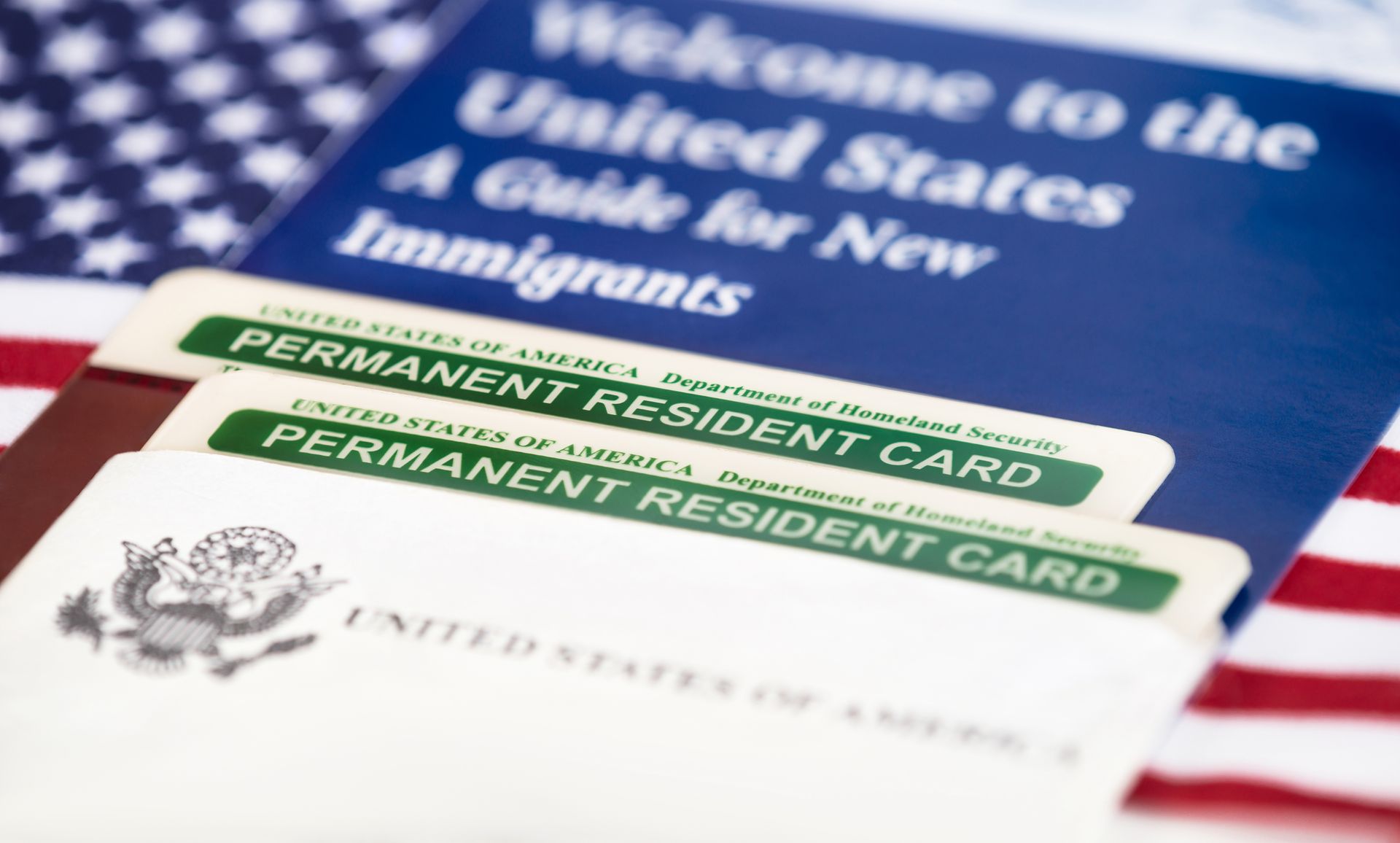
Sealing or expunging a record under Florida law generally does not erase it for federal immigration purposes. U.S. immigration authorities may still consider the arrest or conviction when reviewing green card, citizenship, or other applications. If you’re not a U.S. citizen, talk to an attorney who understands both criminal defense and immigration before relying on a sealed or expunged record.
Frequently Asked Questions
How long does the process take?
It varies. The FDLE review and the court process can each take several months, so it’s best to start early.
Can I seal a record if I was convicted?
Generally, no. If you were adjudicated guilty of any offense, you usually won’t qualify to seal or expunge a record in Florida.
Do I need a lawyer?
You’re not required to have one, but mistakes can lead to delays or denials. And because most people get only one chance, legal guidance can help protect that opportunity.
Start the New Year With a Clean Slate
At Endure Law Firm, PLLC, Troy H. Gayle and Shiphrah J. Gayle help clients in Sebring and across Florida understand whether they qualify to seal or expunge their records and guide them through each step. Learn more about our record sealing and expungement services and criminal defense practice, or contact us today at 863-300-0862 to schedule a consultation.
Disclaimer: This article is for general informational purposes only and is not legal advice. Reading this content does not create an attorney-client relationship. Eligibility depends on the facts of each case, and laws may change. Please consult an attorney about your specific situation.